JOHN COWANORIGINAL MUSIC

THE MUSIC. THE MILES. THE MAN.

ALL SIDES
OF ME.

JOHNNY C.   MO MONEY.   JOHN COWAN.

A corporate career. Motorcycle brothers. Bare feet on the fairway.
A lifetime of stories, finally turned up.

New: If We Get Robbed ▶

Different roads. Same me.

Quite possibly the most interesting man in the world.
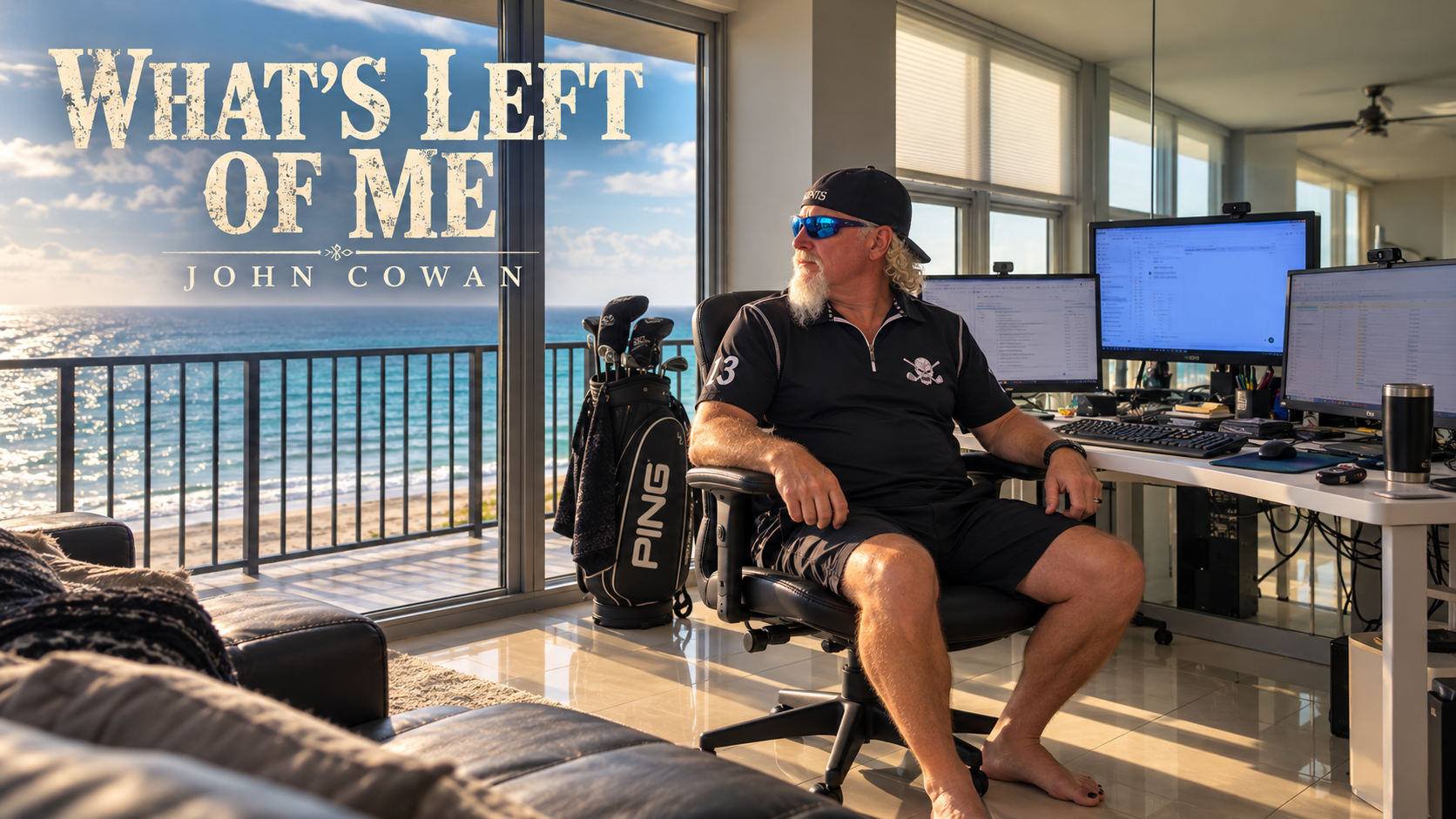
John working at his oceanfront desk
Pays the bills.
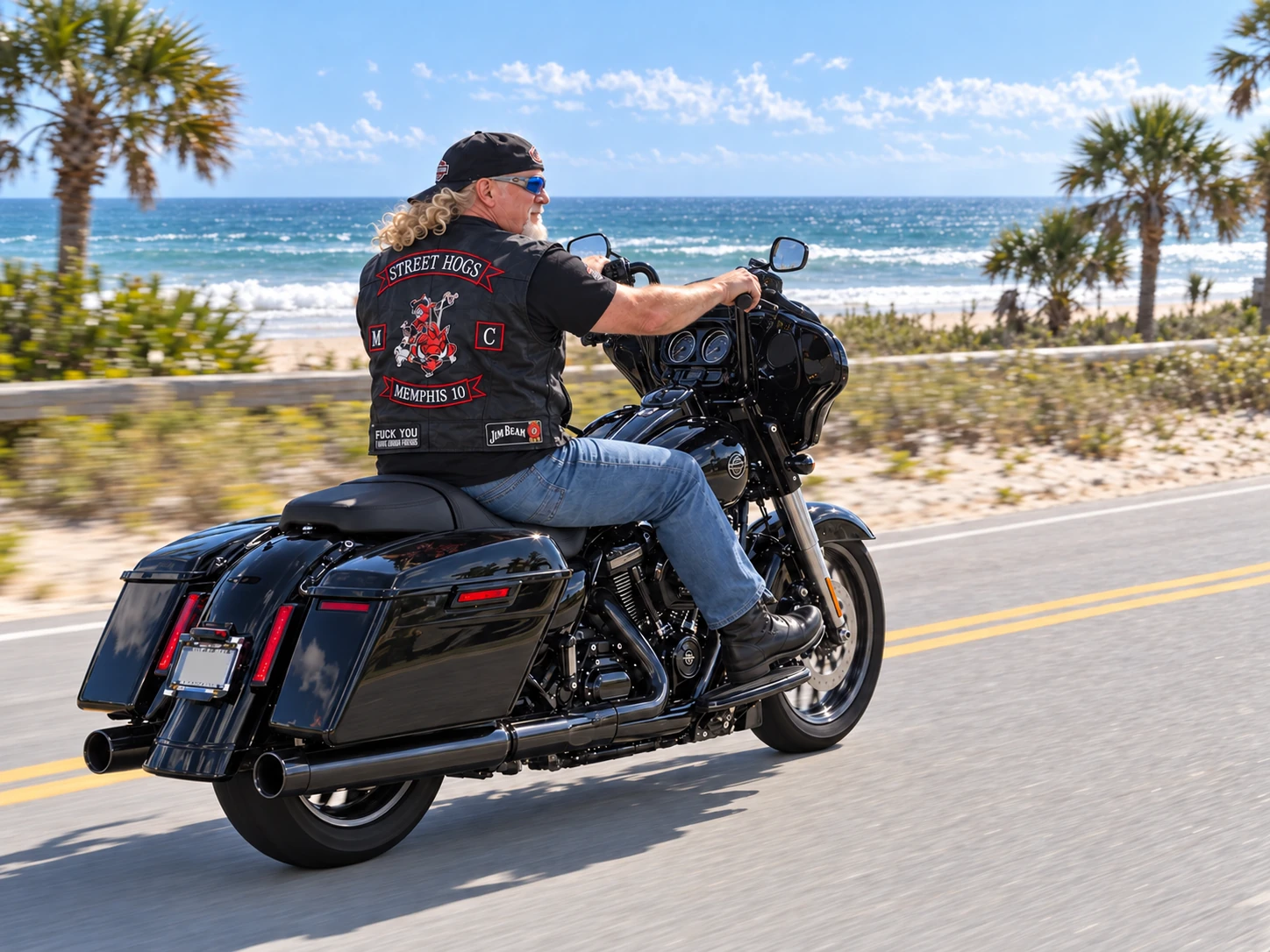
John riding his Street Glide along the coast in his Street Hogs vest
Clears the head.
John playing barefoot golf beside a palm-lined lake
Barefoot by 12:20.

THE MUSIC

Real life. Different rhythms. Same soundtrack.

Press play. Read along. Take a song with you.
Some tracks contain explicit language.

John beside his three-monitor desk looking toward the ocean, with his PING golf bag nearby

What’s Left of Me

Gritty rock · 4:30

One keeps his word. One raises hell. Both of them are me.

Download ↓

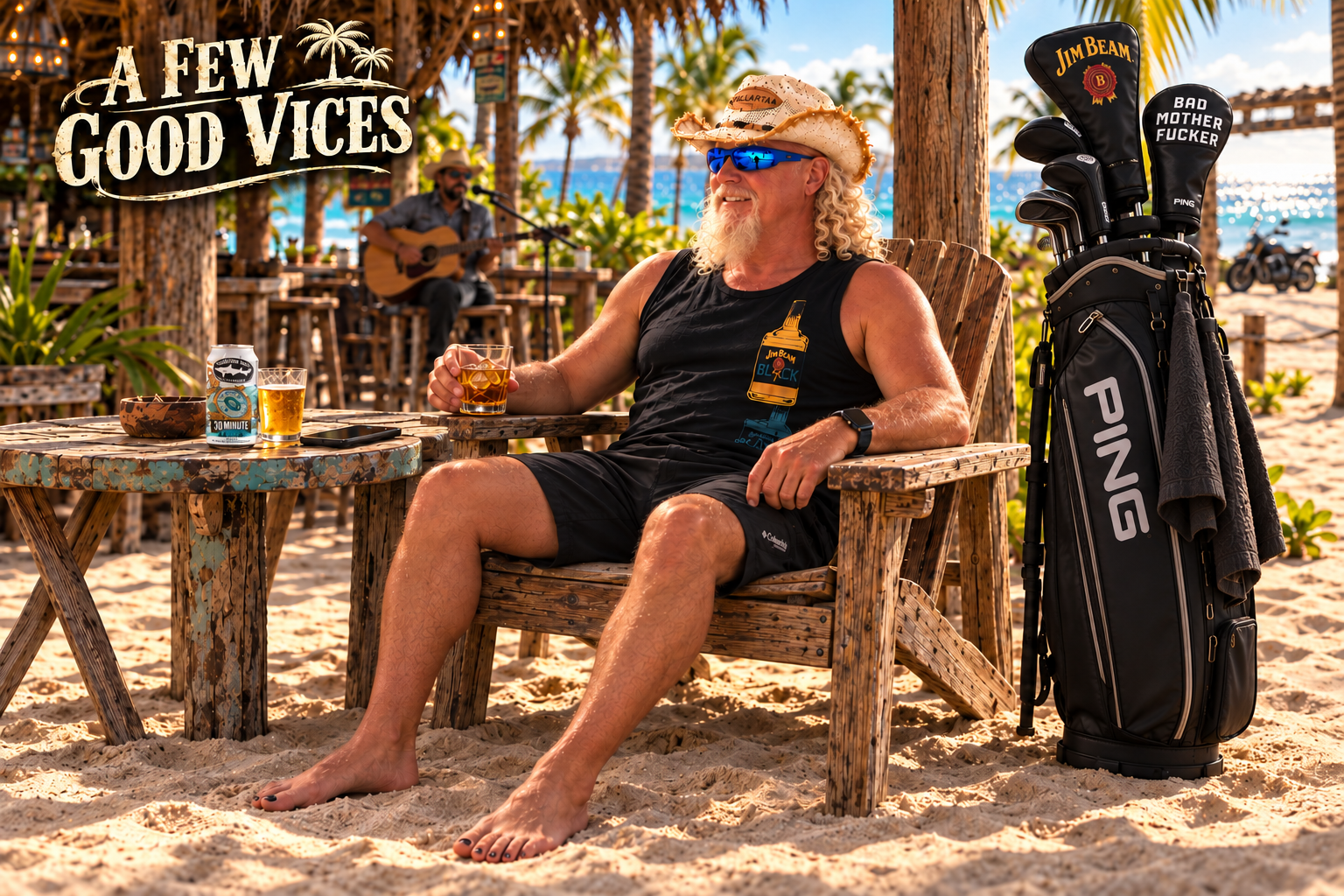
John relaxing at a Mexico beach bar with his Dogfish Head IPA, Jim Beam and PING golf bag

A Few Good Vices

4:35

Download ↓
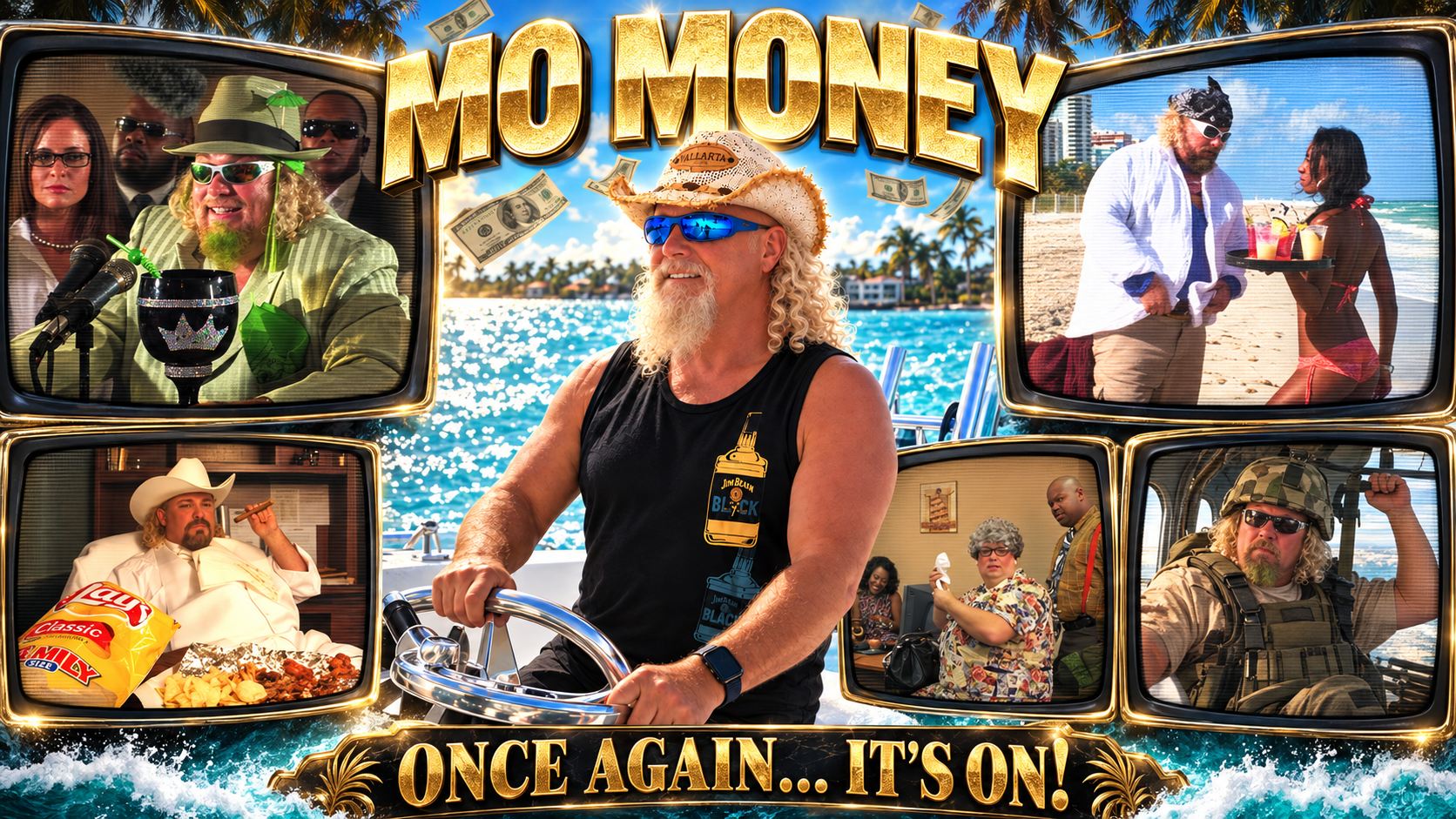
Johnny C at the boat helm surrounded by five of his Mo Money commercial characters, with Mo Money and Once Again… It’s On lettering

Mo Money

3:23

Download ↓
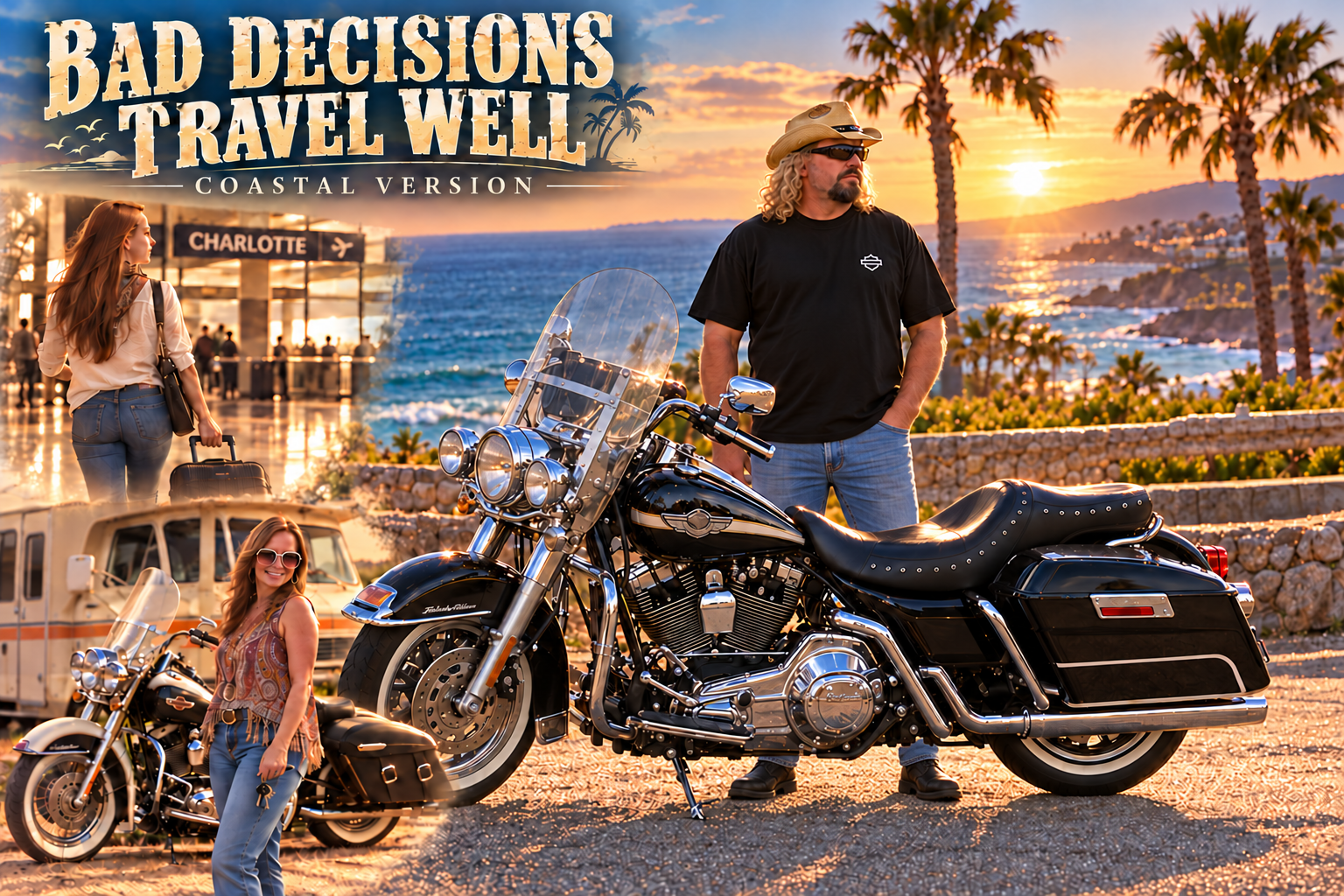
Younger John beside his first Harley on the coast, with memories of Charlotte and the RV

Bad Decisions Travel Well — Coastal Version

4:53

Download ↓
John in 1992 sharing a quiet Memphis evening beside the fireplace with scotch, poetry books and music

Bad Decisions Travel Well — Original Version

4:28

Download ↓
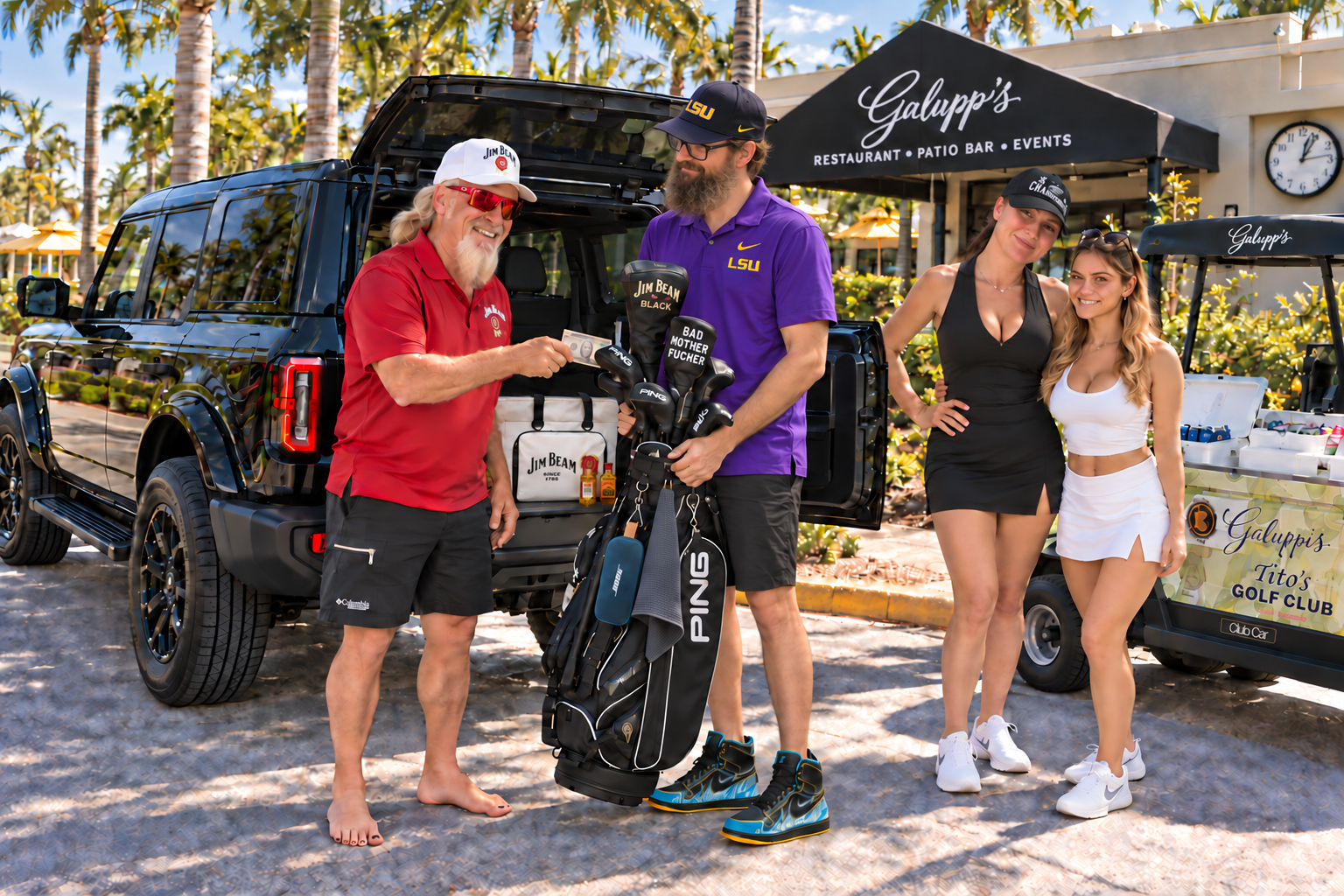
John and Eddie with his PING bag and Bronco at Galuppi’s, with Rachel and Victoria beside the beverage cart

Barefoot by Twelve Twenty

2:58

Download ↓
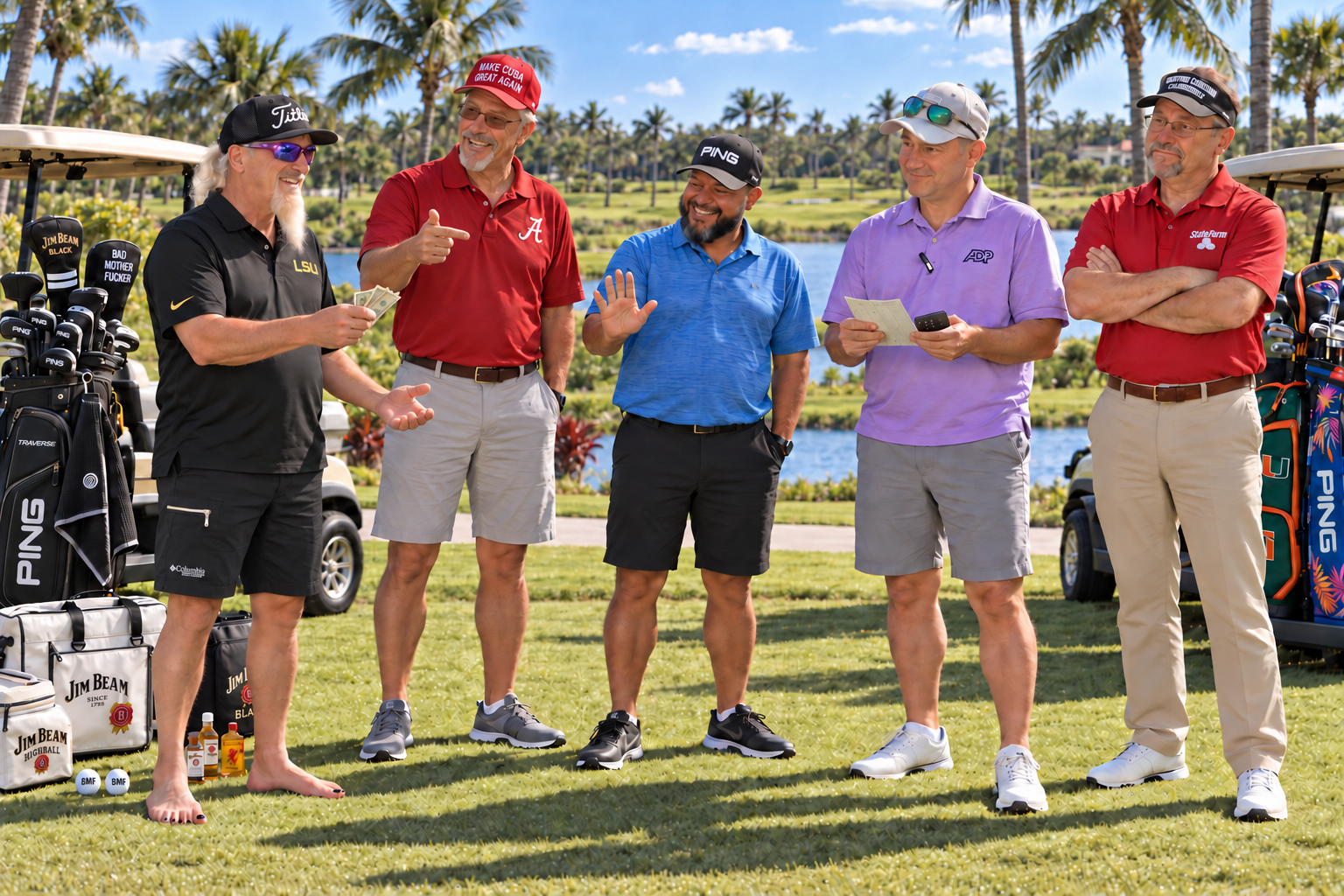
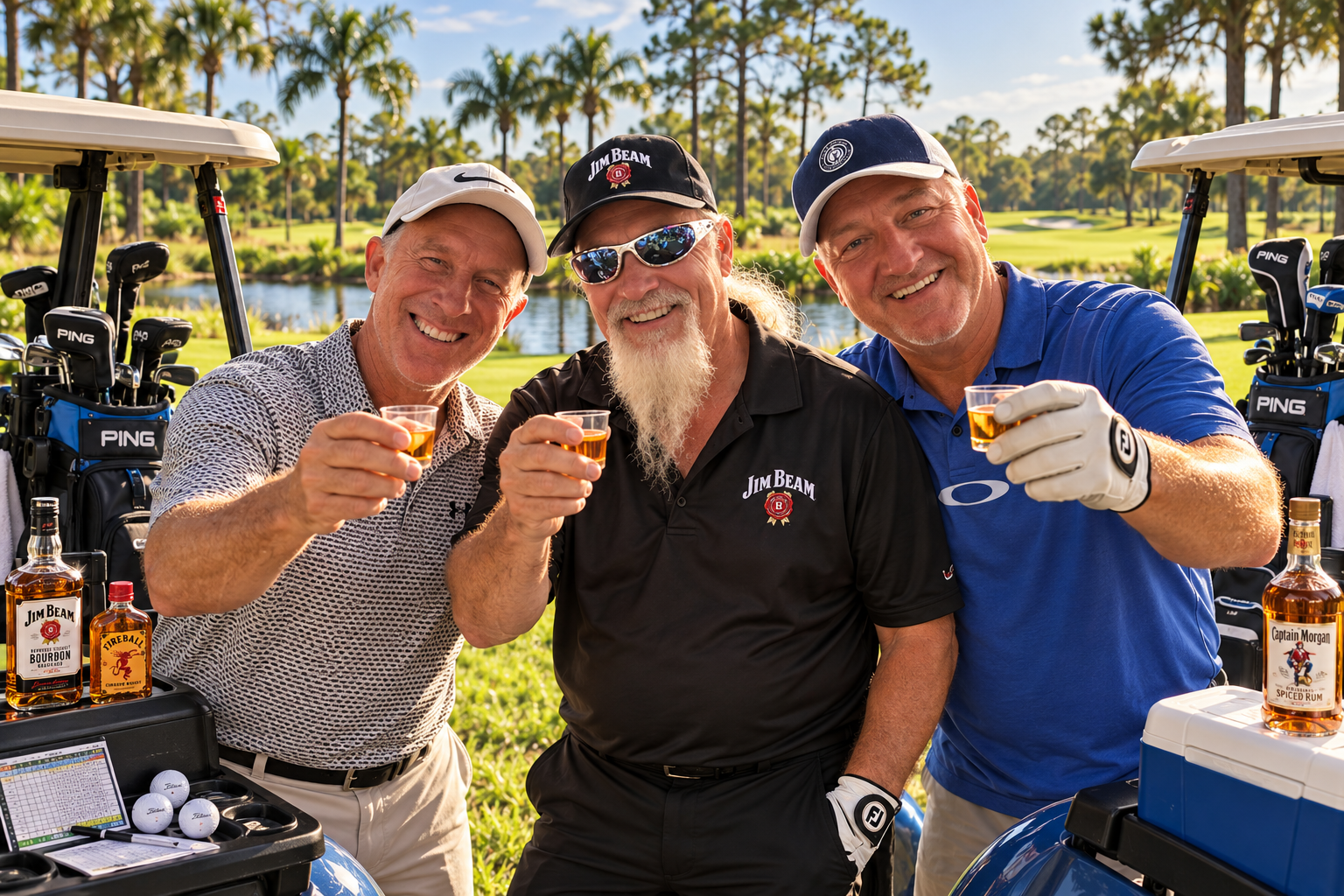
John, Jose, Manny, Eric and Jeff beside their golf carts as John offers a bet

Cletus vs. Everybody

2:41

Download ↓
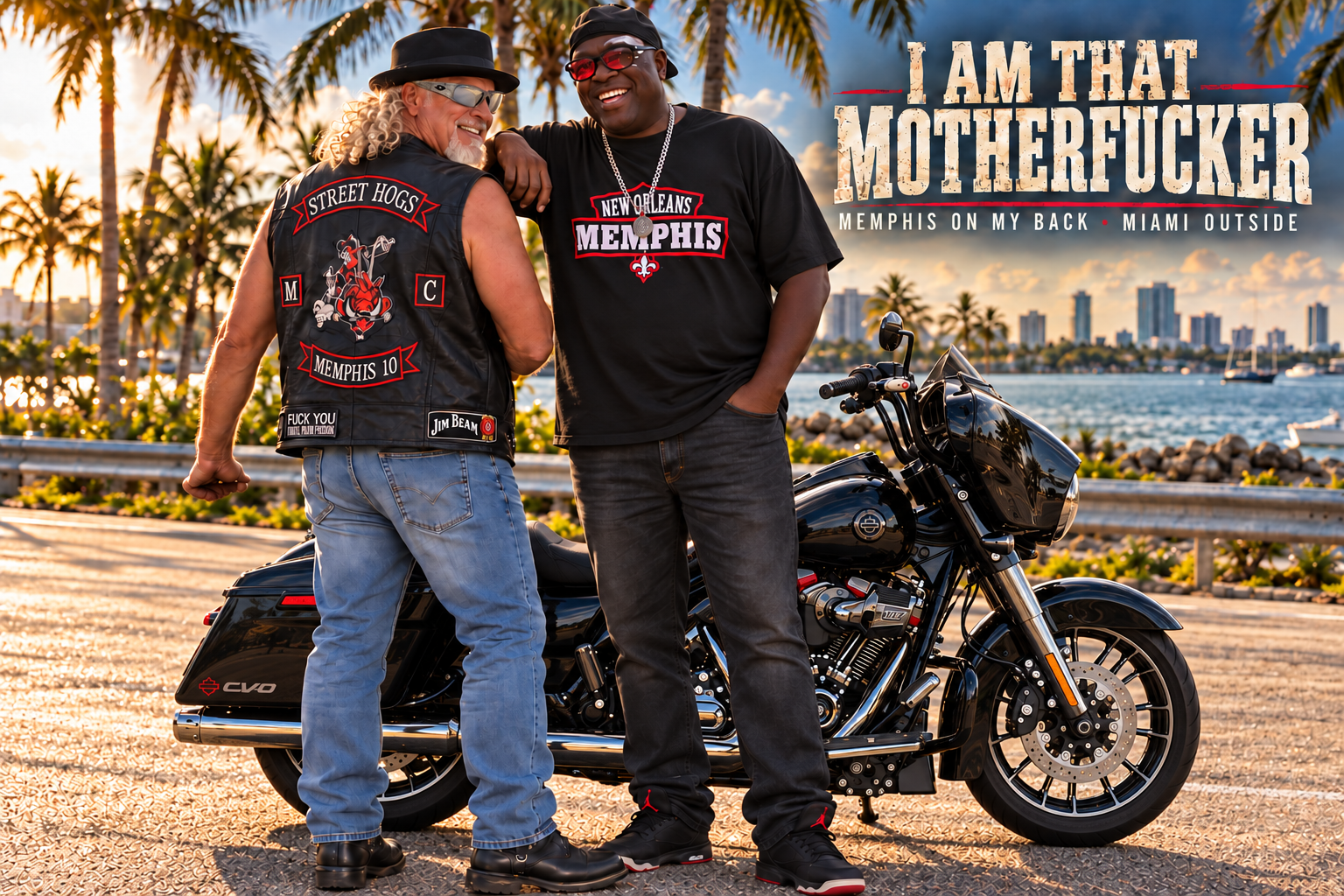
John and Stank beside his CVO Street Glide, with the Street Hogs Memphis patch and South Florida waterfront

I Am That Motherfucker

3:18

Download ↓
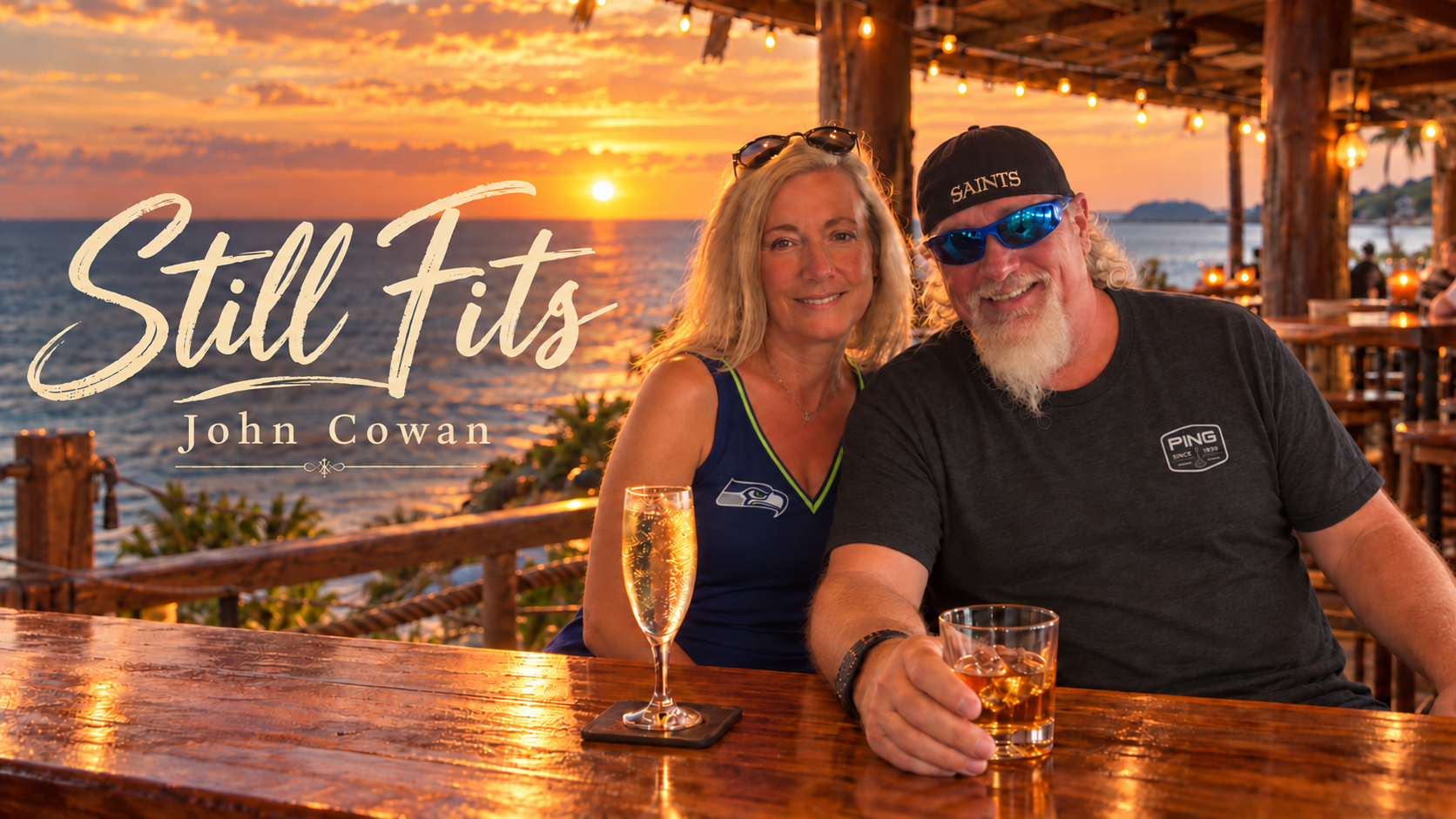
John and Ginny smiling together at a coastal bar with whiskey and champagne at sunset

Still Fits

4:47

Download ↓

THE STORIES BEHIND THE SONGS

More than one side.
All of it me.

John Cowan. Johnny C. Mo Money.
Depends on who you ask.

I move between worlds that don’t always understand each other. A corporate career. Motorcycle brothers. Barefoot rounds of golf. A room full of friends and a story that needs telling.

The songs give those different sides somewhere to meet. Some are built for a good time. Others say the things that stay with me after the day is done.

John CowanMore of my world ↗

JOHN COWAN / SONG LYRICS

What’s Left of Me

BEHIND THE SONG

What’s Left of Me

Depending on where you know me from, you might know Johnny C, Mo Money, the motorcycle rider, the barefoot golfer, or the loudmouth keeping everybody entertained.

My golf friends don’t always understand my motorcycle world. Some of my biker friends can’t figure out how I fit into the other circles I run in. Each group knows a different side of me, and I get a kick out of leaving a little to their imagination.

I’m comfortable in all those places. Long hair, long goatee, custom shades, black toenails—nobody’s ever had much luck putting me in one box.

This song started with those different versions of me. As we worked through it, the question became how much time and energy I want to keep giving away as I get older. I still want to show up for the people who count on me. I also want more open road, more barefoot afternoons, and more time to enjoy the life I’ve built.

Every one of those men is me. I’d like to keep a little more time for all of them.

BEHIND THE SONG

A Few Good Vices

This was the first song I wrote coming back into the music business. But I never stopped writing. I’m constantly writing, thinking, and turning things over in my head.

One evening, I was picking up my twelve-year-old granddaughter, Charlee Ann, from dance class. She was in the back seat of my Bronco, and I told her about the lyrics I’d been writing.

“Send me the lyrics. I’ll make it into a song.”

Then she asked what kind of music I wanted. Before we got home, she had the song built.

I was blown away.

Once she showed me how she’d done it, I spent the next two days learning everything I could about these new ways of producing music. All those thoughts and words I’d been carrying around suddenly had somewhere to go.

“A Few Good Vices” had plenty of material to work with: golf, motorcycles, whiskey, Mexico, a few women, and a few questionable decisions. It sounded like my life because it came from my life.

What you hear here is my version. And I’ll tell you straight—mine still isn’t as good as the original my granddaughter made in the back seat of that Bronco.

She got this whole thing rolling again.

BEHIND THE SONG

Mo Money

After I sent “I Am That Motherfucker” to my Memphis people, the Mo Money crew wanted to know how I’d left that part of my life out.

Fair question. For years, you couldn’t get through tax season without seeing my face on TV. Seventeen states, those crazy commercials, and me hollering, “Once again… it’s on!”

But there was history before the TV days. At Just Beepers, I cloned phones—yeah, that was illegal. For Toy Store Auto Sales, I built their websites and put their cars online every week. Those businesses came before the Mo Money commercials. I was helping people while I was just as broke as they were.

Markey—the original Icy K—and his cousin started Mo Money Taxes back in the ’90s. I helped them get started with the computers and networks. Then we started writing commercials and saturating the local Memphis market.

Next thing you knew, we were everywhere. My face and my voice became the face and voice of the franchise. That’s how a guy helping with computers ended up being the one everybody recognized.

People knew the face. Plenty figured I owned the whole thing. I was the pretty motherfucker they put in the commercials.

This song picks up some of those stories—and the question people still ask: “Whatever happened to Mo Money?”

It also gets into the attempt to bring the cameras back. I put my own money into that project because I thought we had entertaining stories worth telling: how we came up with that stuff, what happened behind the scenes, and the people who made it memorable. That project is still sitting on a shelf.

So I put some of what I wanted to say into this song.

The voice, the attitude, that opening shout—it had to sound like the guy people remembered.

Once again… it’s on.

BEHIND THE SONG

I Am That Motherfucker

“Ain’t you that—”

“Yeah. I am that motherfucker.”

People around Memphis recognized me from different places—the TV commercials, the motorcycle rallies, or wherever I’d last made an impression. That exchange became the opening of the song.

The rally verse has a whole history behind it. I used to show up at the big motorcycle rallies with my crew. One that stands out was Little Sturgis. The way I remember it, anything went.

We brought two RVs, a DJ, and a sound system. One guy handed out beads, another worked the lights, and we filmed and photographed the topless rally partying. Then I sold the footage through iamthatmotherfucker.

The middle finger was part of my brand. It went on hats, shirts, and merchandise, with the slogan: “Fuck you, I got enough friends.”

So when the song says I sold them back the weekend, that’s what it means. They’d been there raising hell with us; afterward, they could watch it again.

The Icy K verse started with a car, not a music meeting. I went to Orange Mound to buy a car advertised on Craigslist for my stepson. I deliberately came up a hundred dollars short and returned in my Crown Vic.

Icy K started flipping through my CDs: DJ Quik, Ant Banks, Too Short, Geto Boys. He couldn’t believe what Johnny C was listening to. That’s the moment behind “Goddamn, Johnny C—what you know about them?”

He invited me to his apartment—forties on the table, weed in the air—and played me his music. Later, I went with him to Select-O-Hits and Johnny Phillips, who was kin to Sam Phillips. I negotiated more money for Icy on each sale and never charged him for it. I helped with management and advice for free. That’s what “Got him more off every sale, never charged him for the deal” is about.

It didn’t stop with Icy. I started helping other Memphis rappers too—creating CD artwork and J-cards, the printed inserts that went with their releases. Player Fly worked at my house. I’d go into studios and point out things that needed fixing, like bass pushed so hard it clipped on ordinary speakers. That’s the history behind the line about word getting out and my phone not sitting still.

Then there’s Stank.

I met him through his car and bike wash on Elvis Presley Boulevard in Memphis. The wash is still there. Today, he’s president of Street Hogs MC, with chapters in New Orleans, Houston, Dallas, Memphis, and Mississippi.

A cut is the vest carrying your club’s patches. As I understood the expectations around Memphis, white riders wearing club colors were supposed to have approval from the Outlaws, the white one-percent club in the area. I rode with an all-Black MC and understood those expectations didn’t apply to me.

I wore my cut into the redneck honky-tonks anyway. Some white club members took exception to it.

I wasn’t at the sit-down they requested with Stank. The way it was relayed to me, threats went as far as cutting my head off over those patches. Stank stood up for me and reminded them where they were: Memphis. More of us than you.

That’s where the line about him standing by me when I wasn’t there comes from. My brother had my back without me having to ask.

After that, I felt untouchable.

There’s plenty of swagger and humor in this song. There are also real miles, real history, and a brotherhood behind the words.

BEHIND THE SONG

If We Get Robbed

I wrote this the night before a police charity golf tournament on the Pines course at Pompano Beach. Before we’d hit a single shot, I already had enough material for a song.

Our foursome: me, Mike the starter, Brian—who I call Monty because of Monty Python’s Life of Brian—and Joey’s Mom. Nobody seems to get the Monty joke. I keep telling it anyway.

Mike had to clock in at five-thirty to help set everything up. He got us starting on the first tee at eight-thirty. Eddie would handle my clubs and cooler, and I figured there’d be a cooler swap somewhere along the way.

Monty beats me in the golf simulator. This was his chance to show up on time and prove it on grass. We both have bags full of PINGs, Mike has his dependable low punch shot, and my putting’s been improving. Naturally, we decided ten to fourteen under sounded reasonable.

Both Bose speakers would be playing my songs. Rachel was working, I hoped Victoria would be there, Chuck was confirmed as ranger, and Jamie would be waiting at Galuppi’s afterward. The whole day already had a cast.

The joke practically wrote itself: if we got robbed out of the prize money, we wouldn’t need to call the cops. They’d already be there.

I wanted a funny country party song the crew could hear before we played—and give each other hell about all day.

And whatever the score turned out to be, we’d get better telling the story than we ever were keeping score.

The Morning After: How It Actually Went

We finished 13 under—right inside that 10-to-14-under prediction in the song. The winners claimed 20 under. I’m calling bullshit. It was a police charity tournament, and I still think we got robbed.

Remember the strategy of bringing Joey’s Mom so we could use her drives from the red tees? We used exactly one. Maybe one other shot all day. I almost called Eddie: “Come pick her up and bring us a real golfer.”

By the end, though, she finally loosened up. A side of her I’d never seen. Could’ve been that fourth High Noon “lady water” Mike was feeding her. Apparently, we should’ve started that part of the strategy sooner.

And that seven-iron shot I wrote about before the tournament? Hit it on a par three. Beautiful shot. Naturally, it wasn’t the hole with the closest-to-the-pin contest. Would’ve won that one. Instead, I settled for dropping the 20-foot putt.

By 17 and 18, we had a gallery: Joey and his new girlfriend, Ashton, and TJ—the other golf pro. TJ’s the favorite with all the moms. I think it’s the tattoos.

On 18, I put my drive right down the middle. Mike knocked it close. Then Monty finally made a putt—a 20-footer, with witnesses.

The crowd goes wild.

Thirteen under, one useful red-tee drive, a closest-to-the-pin shot on the wrong damn hole, and Monty saving his putt for the audience.

“We’ll get better telling this story—
Than we ever were keeping score.”

Turns out, that part of the song was accurate too.

BEHIND THE SONG

Cletus vs. Everybody

This one came from a specific Saturday: October 17, 2026, at Pompano.

Our regular foursome had been me, Eric, Jeff, and José. I used to call Eric “Steven.” I give people names I can remember, which is also how a guy who works in logistics and drives a BMW convertible became “Jeff from State Farm.”

Eric’s an accountant. He wears his previous employer’s work polos to play golf. Perfectly good shirts. Why buy more? That’s an accountant for you.

José is my neighbor and works at the course. He’s Cuban, and his daughter graduated from Alabama—which explains the “Roll Tide” and my response.

That Saturday, José was playing with Manny, who’s from Guatemala. They enjoy playing together, and I knew I could join my good friend Lloyd in the tee time right behind them.

So I came up acting all pissed off about getting bumped from my usual foursome. Then I spent the day heckling them like I had a personal grievance to settle.

Afterward, back at Galuppi’s, I went over and took a picture of their scorecard. I had ChatGPT work through the scores so I could explain exactly how badly I would’ve kicked their asses.

By then, that Saturday had given me enough material for a song. A rowdy honky-tonk sounded about right.

They got a round of golf. I got a round of golf and a song to keep giving them hell with.

BEHIND THE SONG

Champagne and Trouble

Ginny likes her music loud—Mötley Crüe, Poison, Def Leppard. So a song about her needed some guitars behind it.

I wanted to go back to when we met in Memphis. I walked in carrying a helmet, and she wanted to know whether I actually owned a Harley or had just bought the shirt. She made me take her outside and show her the Road King.

That tells you something about Ginny. Other people might recognize me or get caught up in the stories. She wants to see for herself. She’s got her own standards, her own opinions, and very little trouble telling me what she thinks. After all these years, she knows exactly who she’s dealing with.

The song has some fun with that—the champagne, the hair bands, and her rules for my buddies: don’t listen to John, don’t follow John, and definitely don’t try to drink with John.

But underneath the loud guitars, it’s a love song. We’ve shared a lot of miles and a lot of life. I still want her hand finding mine when the music comes on.

She brought a little class. I brought the motorcycle and the trouble.

BEHIND THE SONG

Barefoot by Twelve Twenty

Friday at twelve-twenty, you know where to find me.

This song came from my afternoons at Pompano—the people, the running jokes, the little rituals, and the feeling of getting out there with my toes in the grass.

Eddie knows the Bronco. Mike’s from Boston, and I had to get that accent into the song: “Need a score caaard for your caaart?” If you know Mike, you can hear him saying it.

Rachel and Victoria, two of the beer cart girls, get a mention too. They know the cart doesn’t stock Jim Beam or my IPA, Dogfish Head 30 Minute. I bring my own, but I still make sure they get five dollars every time they come around. They take care of us out there.

Michael and Chuck have their spot in the shade. And the ranger flag is a true story—I’ve got my own flag and the Ranger sign that goes on the windshield. That part didn’t need any songwriting imagination.

Neither did the missed putts.

If it rains on Friday, I still show up. I just settle in at the starter’s shack and have a drink with Mike.

And after every round, I finish there with the whole crew—a few Fireballs, some Jim Beam, cold beer, and whatever stories we’ve got left to tell.

That’s what I wanted this song to feel like. Whatever I shoot—or whether I even get to play—Friday afternoon is mine.

Shoes optional.

BEHIND THE SONG

Bad Decisions Travel Well

I love Natchez, Mississippi. It’s my hometown, and I carry some of it everywhere I go. Growing up, though, I knew I wanted to see what was beyond it. Leaving meant making a living and providing for my family.

Along the way came different cities, different women, good times, and choices I still remember—for better or worse. That’s where “Bad Decisions Travel Well” comes from. You can put plenty of miles between yourself and a place, but your history has a way of coming along.

I wanted room for some of those memories, along with the life I enjoy now: barefoot golf, an ocean breeze, Jim Beam, Mexico, and owning more putters than any man who still misses that many putts should admit to.

There are two recordings here. The original remembers one woman and those nights in Memphis. The coastal version gives it more of that easy, salt-air feeling I like, with a different second verse about two relationships.

A little hometown affection, a little history, and enough humor to keep me from taking myself too seriously.

BEHIND THE SONG

Still Fits

Ginny turns up the rock. I turn up the country. She gets dressed up. I’m usually good just like this. We’ve never needed to have everything in common to enjoy a life together.

“Still Fits” grew out of the things we’ve shared: weekends away, motorcycle rides, New Orleans, Mexico, and eventually a place looking out at the ocean. Her arms around me on the Road King. Her hand finding mine when the music comes on.

Then the life we pictured got a little louder. We’re raising two grandchildren, and our days now include golf clubs, dance bags, tee times, and front-row seats. We love those kids, and taking care of them takes a lot of us.

I wanted this song to make room for the two people who were here before all that—the ones who could steal a weekend and come home wanting another day.

It’s an invitation to find some time for us again. A walk, a little bar down the street, a dance across the living room. Nothing complicated.

“Champagne and Trouble” gets the loud guitars. This one needed a warmer country sound, with enough room to say something simple:

After all these years, I still want her hand in mine.